
Wrongful Death Attorneys in Calhoun County, Michigan
Organize the evidence and coverage questions for wrongful death in Calhoun County. Free case review through our Ann Arbor office.
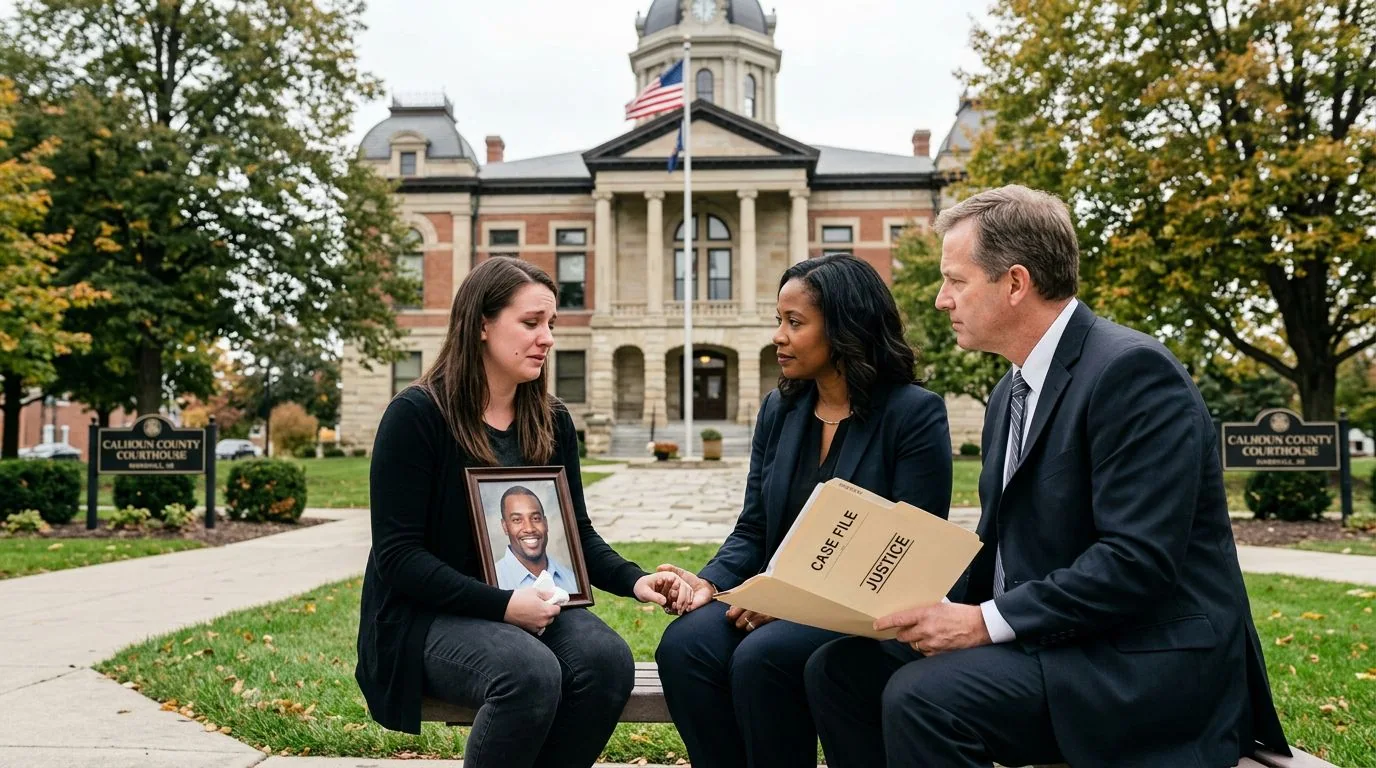
Wrongful death in Calhoun County can involve several record sources and insurance questions. Start with the incident location, available reports and any insurer correspondence. The guidance below connects those details with the evidence needed to review the particular claim.
We provide compassionate representation grounded in aggressive advocacy. While we can't bring back your loved one, we fight to hold negligent parties accountable and recover compensation that addresses medical bills, funeral costs, lost financial support, and the profound loss of companionship your family has suffered.
Michigan Wrongful Death Law: Who Can File and What Can Be Recovered
Under Michigan's Wrongful Death Act (MCL 600.2922), a lawsuit may be brought when death results from a wrongful act, neglect, or fault. These cases arise from the same circumstances that would have allowed the deceased to file a personal injury lawsuit if they had survived—car accidents, medical negligence, workplace incidents, defective products, or any situation where another party's conduct caused fatal harm.
Only the personal representative (executor or administrator) of the deceased's estate can file a wrongful death lawsuit in Michigan. If no estate has been opened, one can be established specifically for this purpose. While the personal representative brings the claim, damages are distributed among eligible family members including:
- Spouse
- Children and stepchildren
- Parents
- Grandparents
- Siblings
- Anyone who was financially dependent on the deceased
Damages Recoverable Wrongful Death Cases
Michigan law allows recovery for both economic and non-economic losses. Our attorneys work with economists, medical experts, and vocational specialists to document the full extent of your family's damages:
- Medical and hospital expenses incurred before death
- Funeral and burial costs
- Pain and suffering experienced by your loved one between the time of injury and death
- Loss of financial support and inheritance your family would have received
- Loss of society and companionship—the guidance, care, protection, and emotional support your loved one provided
Common Causes of Wrongful Death
Organize the incident records, available estate papers, family relationships and losses. Identify any appointed representative and existing probate case; the civil claim, estate administration and insurance questions need coordinated review.
- Motor vehicle collisions on I-94, M-96, and throughout Battle Creek, Marshall, and Albion
- Truck accidents on heavily-traveled commercial routes
- Identify the actual hospital, clinic or practice and treatment date from the medical records. A provider’s location or name does not establish negligence or a history of representation in cases against it.
- Workplace fatalities in manufacturing, construction, and industrial settings
- Defective products that cause fatal injuries
- Premises liability incidents including falls, negligent security, and dangerous property conditions
Every case is different, but the foundation remains the same: proving that another party's negligence or wrongful conduct caused your loved one's death.
The Three-Year Deadline: Why Prompt Action Is Essential
Michigan law imposes a three-year statute of limitations for wrongful death claims, running from the date of death—not the date of the injury that caused death. Missing this deadline typically means losing your right to compensation forever.
Beyond the legal deadline, early action preserves critical evidence. Accident scenes change, witnesses' memories fade, and records can be lost or destroyed. Insurance companies and defendants begin building their defense immediately. Waiting gives them an advantage.
Our attorneys move quickly to investigate the circumstances of your loved one's death, secure evidence, identify all responsible parties, and build the strongest possible case while you focus on grieving and supporting your family.
How Wrongful Death Cases Differ From Survival Actions
Michigan law recognizes two distinct types of claims after a death: wrongful death actions and survival actions. While wrongful death claims compensate the family for their losses, survival actions recover damages the deceased could have pursued if they had lived—including pain and suffering between injury and death, medical expenses, and lost wages during that period.
Both claims are filed by the personal representative of the estate, but they serve different purposes and benefit different parties. Our attorneys evaluate every case to determine which claims apply and ensure your family pursues every avenue of compensation available under Michigan law.
Helping Families Rebuild After Tragedy
We understand that no amount of money replaces a lost loved one. But financial compensation provides critical support—covering immediate expenses, replacing lost income, and ensuring children have resources for education and the future. It also holds negligent parties accountable, potentially preventing similar tragedies for other families.
Our attorneys serve families throughout Calhoun County, including Battle Creek, Marshall, Albion, Springfield, and surrounding communities. We handle every aspect of your case while you focus on what matters most: supporting each other through this devastating time.
Record resources and next steps
If court proceedings already exist, Michigan Online Court Case Search can help identify the relevant court record. It does not determine where a new claim should be filed.
Use the Calhoun County resource hub for local record routing and consultation planning, and the wrongful death practice guide for the broader claim explanation.
Discuss your claim
Logeman & Iafrate, P.C. serves Michigan injury clients from 2950 S. State Street, Suite 400, Ann Arbor, MI 48104. Call (734) 994-0200 or request a free consultation. Describe the incident, available records and any insurer correspondence. Confirm consultation arrangements before traveling.
Our published verdicts and settlements identify the matters described there. Read the claim type and venue as stated; a result does not establish local experience in another place or predict another case’s outcome.
Frequently Asked Questions About Wrongful Death Claims
Who can bring a wrongful death lawsuit?
Only the personal representative (executor or administrator) of the deceased's estate can file a wrongful death lawsuit under Michigan law. If no estate exists, one can be opened specifically for this purpose. The personal representative acts on behalf of all eligible family members who will ultimately receive damages, including the spouse, children, parents, and others who depended on the deceased.
How long do I have to file a wrongful death claim in Michigan?
The statute of limitations for wrongful death claims in Michigan is three years from the date of death—not the date of the injury that caused death. Missing this deadline typically bars your family from recovering any compensation. However, certain circumstances may affect this deadline, so consulting an attorney promptly is essential to protect your family's rights.
What compensation can my family receive in a wrongful death case?
Michigan law allows recovery for medical and hospital expenses before death, funeral and burial costs, pain and suffering your loved one experienced between injury and death, loss of financial support and inheritance your family would have received, and loss of society and companionship—the guidance, care, and emotional support your loved one provided. The specific damages depend on your family's circumstances and the facts of the case.
Are there damage caps on wrongful death claims in Michigan?
Keep treatment records, bills, work restrictions, pay information and recommendations for future support. The review should distinguish documented losses, available coverage and disputed issues; another person’s verdict is not a value for this claim.
Can my family file a wrongful death claim if the deceased contributed to the accident?
Yes. Michigan follows a modified comparative negligence rule. If your loved one was partially at fault for the accident, your family can still recover damages as long as their fault was less than 51%. However, the total recovery will be reduced by the percentage of fault attributed to the deceased. An experienced wrongful death attorney can help establish the other party's greater responsibility and maximize your family's compensation.
Awards and Honors



We Stand with You through the Hardest Times, Advocating Vigorously for Your Rights.
At our personal injury law practice, we are prepared to handle claims involving car, truck, bus, bicycle, and pedestrian accidents; slip-and-falls and other premises liability claims; product liability claims; claims for compensation for brain and spinal cord injuries; and claims and lawsuits for wrongful death.
We help clients in Ann Arbor, Detroit and throughout Michigan recover the benefits they need and deserve. Our commitment to service is absolute. Please feel free to contact our firm at any time for advice or help with your personal injury claim.

What Our Clients Say About Us
Cases won, lives changed, and we are happy to have helped each one of our clients.



Schedule a Free Case Review with a Lawyer
Don't face this alone. Let us review your case and show you what's possible. We never charge legal fees unless we recover damages on your behalf and the initial consultation is free as well. Reach out to us today.