
Traumatic Brain Injury Attorneys Serving Washtenaw County
Organize the evidence and coverage questions for traumatic brain injuries in Washtenaw County. Free case review through our Ann Arbor office.
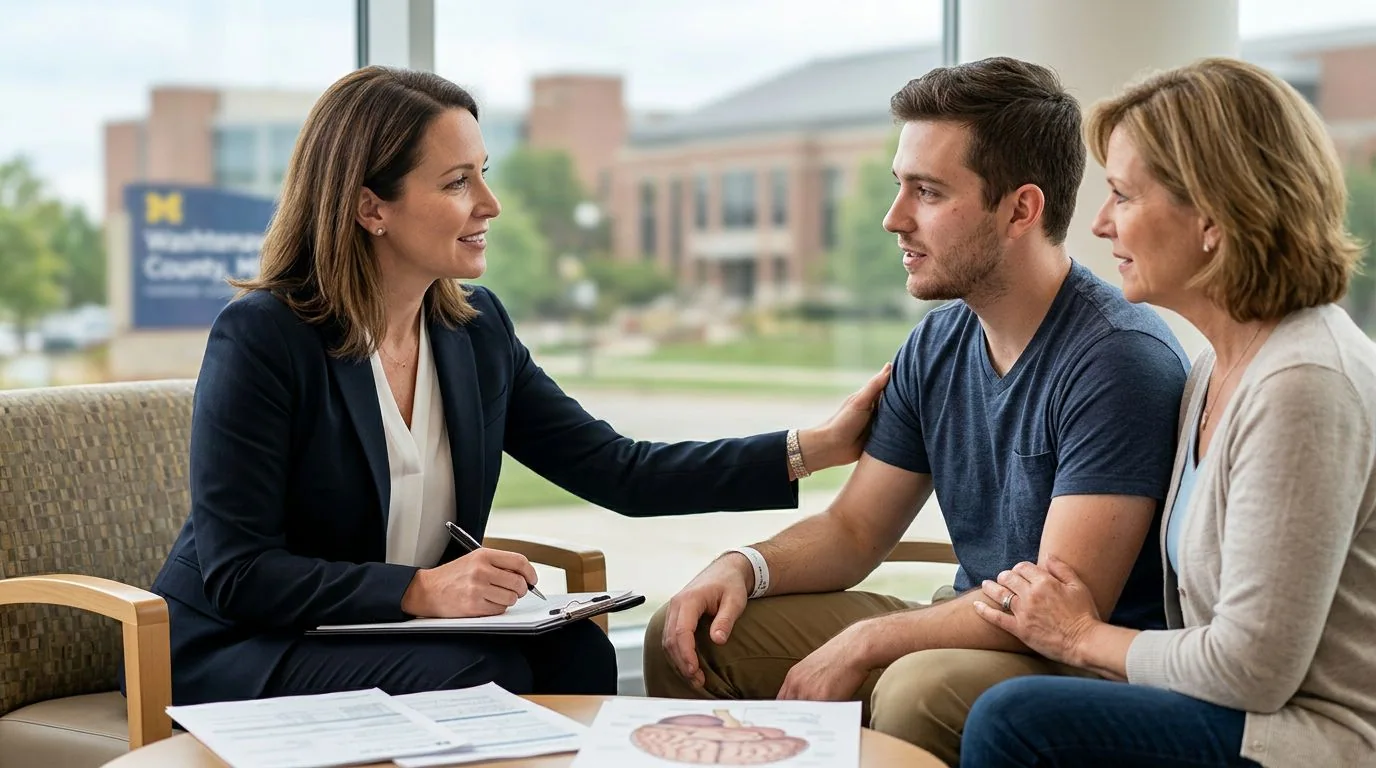
Traumatic brain injuries in Washtenaw County can involve several record sources and insurance questions. Start with the incident location, available reports and any insurer correspondence. The guidance below connects those details with the evidence needed to review the particular claim.
We work with neurologists, neuropsychologists, and life-care planners to document every aspect of your injury and build cases that insurance companies can't dismiss.
Understanding Traumatic Brain Injuries in Michigan
Traumatic brain injuries range from mild concussions to catastrophic damage requiring lifetime care. Even "mild" TBIs can cause serious, lasting problems including headaches, dizziness, memory loss, difficulty concentrating, personality changes, and depression. These symptoms are confusing and discouraging for victims and families—and insurance companies routinely dismiss them as exaggerated or unrelated to the accident.
Common causes of TBIs in Washtenaw County include:
- Motor vehicle accidents on US-23, I-94, and local roads throughout Ann Arbor, Ypsilanti, and surrounding communities
- Motorcycle crashes where riders suffer severe head trauma despite wearing helmets
- Falls from ladders, scaffolding, or defective premises in residential and commercial properties
- Construction accidents involving falling objects or equipment failures
- Assault and violent acts causing blunt force trauma
The Challenge of Proving Mild TBI Cases
Emergency room doctors are typically focused on surgical and orthopedic injuries. They often fail to diagnose mild cases of traumatic brain injury. You may never have lost consciousness or had an abnormal CAT scan, yet your head trauma may have resulted in brain damage that significantly affects your daily life and ability to work.
Defense attorneys and insurance companies will argue that because your imaging was normal and you didn't lose consciousness, you couldn't have suffered a brain injury. They'll claim your symptoms are psychological, pre-existing, or exaggerated. They'll point to any gap in treatment or inconsistency in medical records to deny your claim.
Keep initial and follow-up assessments, symptoms, work restrictions and observations from people familiar with daily functioning. Preserve the injury mechanism and treatment timeline rather than relying on a single test or scan alone.
Securing Lifetime Care for Severe Brain Injuries
Severe traumatic brain injuries and brain stem injuries are obvious. Following the accident, the patient may be comatose, on life support, or require lifetime attendant care or nursing care. These cases demand comprehensive evaluation of all future costs adjusted for inflation, including:
- 24-hour attendant care or skilled nursing assistance
- Cognitive and physical rehabilitation therapy
- Home modifications for accessibility and safety
- Adaptive equipment and assistive technology
- Vocational services or total disability accommodation
- Future medical treatment and prescription medications
- Life-care planning to ensure dignity and quality of life
We work with medical experts, life-care planners, and economic specialists to calculate the full loss to the victim and family. Not only the size of the settlement or verdict matters, but the way in which it is structured will determine whether the accident victim will be able to live with dignity.
Compensation Available for TBI Victims
Brain injury cases can involve multiple sources of compensation depending on how the injury occurred:
No-Fault PIP Benefits: If your TBI resulted from a motor vehicle accident, Michigan's no-fault insurance system provides Personal Injury Protection benefits for medical expenses, attendant care, lost wages, and replacement services. However, the 2019 reforms mean your coverage level matters—we fight to pursue the full value of benefits under your policy and overcome insurance company denials.
Third-Party Claims: When someone else's negligence caused your brain injury, you can pursue compensation for pain and suffering, excess medical costs, full wage loss, and reduced quality of life if your injuries meet Michigan's threshold. Our attorneys have extensive experience proving threshold injuries and maximizing third-party recoveries.
Workers' Compensation: If your TBI occurred at a Washtenaw County worksite, you're entitled to workers' compensation benefits. You may also have third-party claims against negligent contractors, equipment manufacturers, or property owners.
Premises Liability: Property owners who fail to maintain safe conditions can be held liable when falls or other accidents cause brain injuries on their property.
Why Early Action Matters in Brain Injury Cases
Traumatic brain injury cases require prompt legal action to preserve evidence and protect your rights. Medical records must be gathered while treatment is ongoing. Witnesses need to be interviewed before memories fade. Experts must evaluate you while the injury's full impact can still be assessed.
Most individuals who suffer a brain injury will make most of their recovery within the first year of the injury. Proper medical treatment can help ensure the best possible recovery—but getting the right treatment requires understanding your insurance coverage and protecting your legal rights from the start.
What Sets Our Firm Apart
Traumatic brain injury cases are complicated, and it's important that your attorney understands the complexity of brain injury issues. At Logeman & Iafrate, P.C., we have extensive experience in claims and lawsuits involving brain injuries—from mild concussions to catastrophic trauma requiring lifetime care.
That trial-ready approach results in better settlements—and when settlement isn't enough, we're prepared to take your case to a Washtenaw County jury.
We offer free consultations and work on a contingency-fee basis. You pay nothing unless we win your case. When you're focused on healing and adapting to cognitive changes, we shoulder the legal burden so you can concentrate on your recovery.
Past results do not guarantee future outcomes. Each case is decided on its own facts.
A documented result relevant to this service area
This result is reported on our verdicts and settlements page. The summary identifies the actual venue or incident location where known. It does not establish how damages were allocated or predict another case’s outcome. Past results do not guarantee future outcomes. Each case is decided on its own facts.
Record resources and next steps
If court proceedings already exist, Washtenaw County court-record requests can help identify the relevant court record. It does not determine where a new claim should be filed.
Use the Washtenaw County resource hub for local record routing and consultation planning, and the traumatic brain injuries practice guide for the broader claim explanation.
Discuss your claim
Logeman & Iafrate, P.C. serves Michigan injury clients from 2950 S. State Street, Suite 400, Ann Arbor, MI 48104. Call (734) 994-0200 or request a free consultation. Describe the incident, available records and any insurer correspondence. Confirm consultation arrangements before traveling.
Our published verdicts and settlements identify the matters described there. Read the claim type and venue as stated; a result does not establish local experience in another place or predict another case’s outcome.
Frequently Asked Questions About Traumatic Brain Injuries
What is considered a mild traumatic brain injury?
A mild traumatic brain injury (MTBI) or concussion can cause serious symptoms including headaches, dizziness, emotional instability, behavioral changes, cognitive impairment, and sleep disturbances. Despite being classified as "mild," these injuries can result in long-term consequences and chronic cognitive impairment. You don't need to have lost consciousness or have abnormal CT scans to have suffered a real brain injury.
Can I recover compensation if my CT scan was normal?
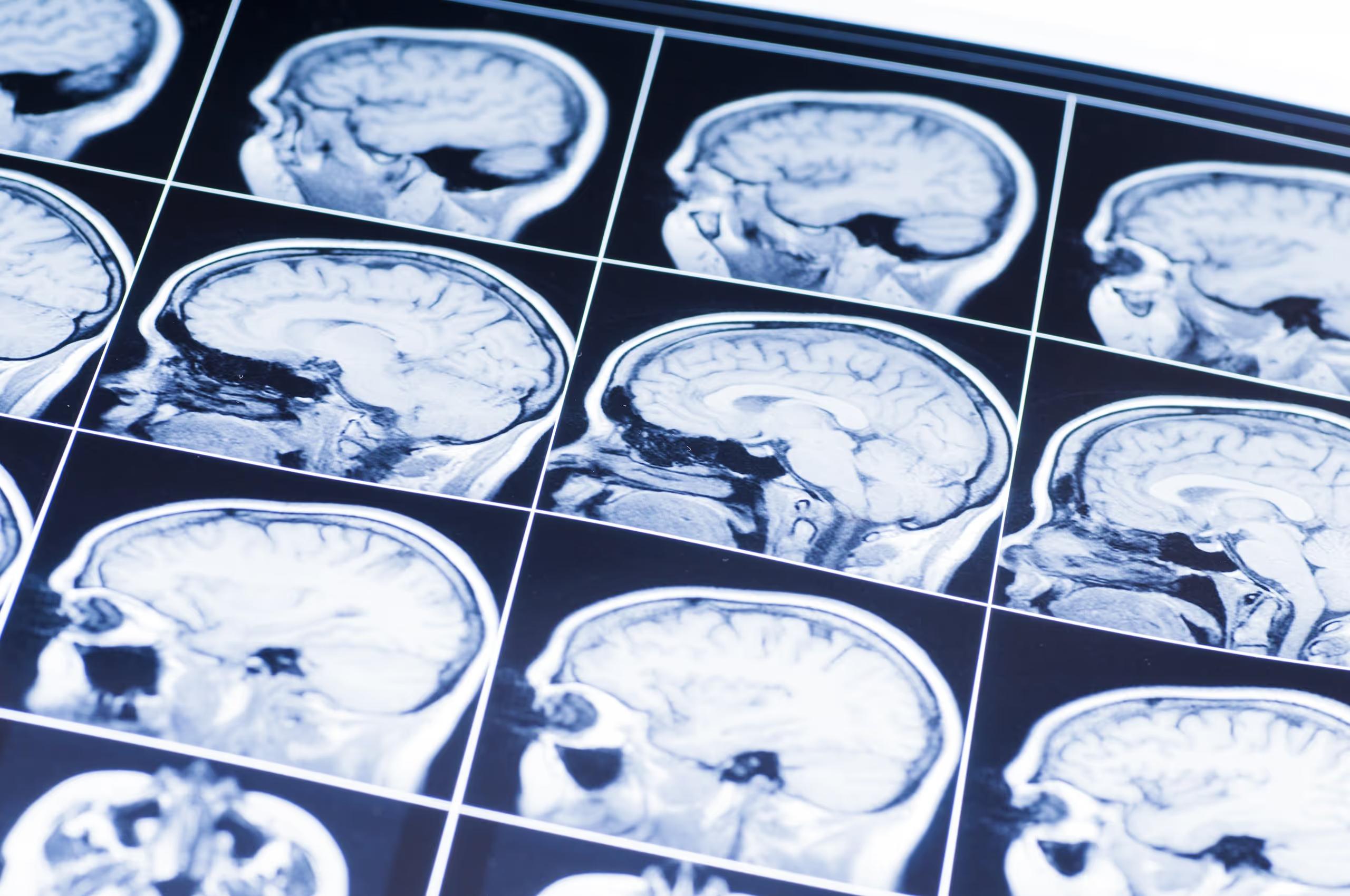
It is well documented that CT scans and MRIs often appear normal even when significant brain injury exists. Neuropsychological testing can reveal cognitive deficits that imaging misses.
How do you prove a brain injury when the insurance company denies it exists?
We use comprehensive neuropsychological testing to document cognitive deficits, work with board-certified neurologists and neuropsychologists who can explain the injury to a jury, gather testimony from family members and coworkers about observed changes in function and personality, and present medical literature showing that brain injuries can occur without loss of consciousness or abnormal imaging. Our experience includes overcoming denials in cases insurance companies claimed were "psychological" or "exaggerated."
What compensation can I recover for a traumatic brain injury in Michigan?
Compensation depends on how the injury occurred. For motor vehicle accidents, you can receive no-fault PIP benefits covering medical expenses, attendant care, and wage loss—plus third-party claims against at-fault drivers for pain and suffering if you meet Michigan's threshold. For workplace injuries, workers' compensation provides benefits, and third-party claims may be available. For injuries on unsafe property, premises liability claims can provide full compensation including future care costs.
How long do I have to file a traumatic brain injury claim?
Michigan's statute of limitations for personal injury claims is generally three years from the date of injury. However, brain injury symptoms may not become apparent immediately, and the discovery rule may apply in some cases. For no-fault benefits, you must notify your insurer within one year. Because deadlines vary and evidence must be preserved quickly, we strongly recommend consulting an attorney as soon as possible after any accident involving head trauma.
Should I accept the insurance company's settlement offer?
Not without having an experienced brain injury attorney review it first. Insurance companies routinely undervalue TBI claims, especially when injuries appear "mild." They may offer a quick settlement before the full extent of cognitive impairment becomes clear. Once you settle, you cannot recover additional compensation if your condition worsens. Our attorneys evaluate whether settlement offers account for lifetime medical needs, ongoing cognitive deficits, and reduced earning capacity.
Awards and Honors



We Stand with You through the Hardest Times, Advocating Vigorously for Your Rights.
At our personal injury law practice, we are prepared to handle claims involving car, truck, bus, bicycle, and pedestrian accidents; slip-and-falls and other premises liability claims; product liability claims; claims for compensation for brain and spinal cord injuries; and claims and lawsuits for wrongful death.
We help clients in Ann Arbor, Detroit and throughout Michigan recover the benefits they need and deserve. Our commitment to service is absolute. Please feel free to contact our firm at any time for advice or help with your personal injury claim.
What Our Clients Say About Us
Cases won, lives changed, and we are happy to have helped each one of our clients.


Schedule a Free Case Review with a Lawyer
Don't face this alone. Let us review your case and show you what's possible. We never charge legal fees unless we recover damages on your behalf and the initial consultation is free as well. Reach out to us today.