
Traumatic Brain Injury Attorneys Brighton
Organize the evidence and coverage questions for traumatic brain injuries in Brighton. Free case review through our Ann Arbor office.
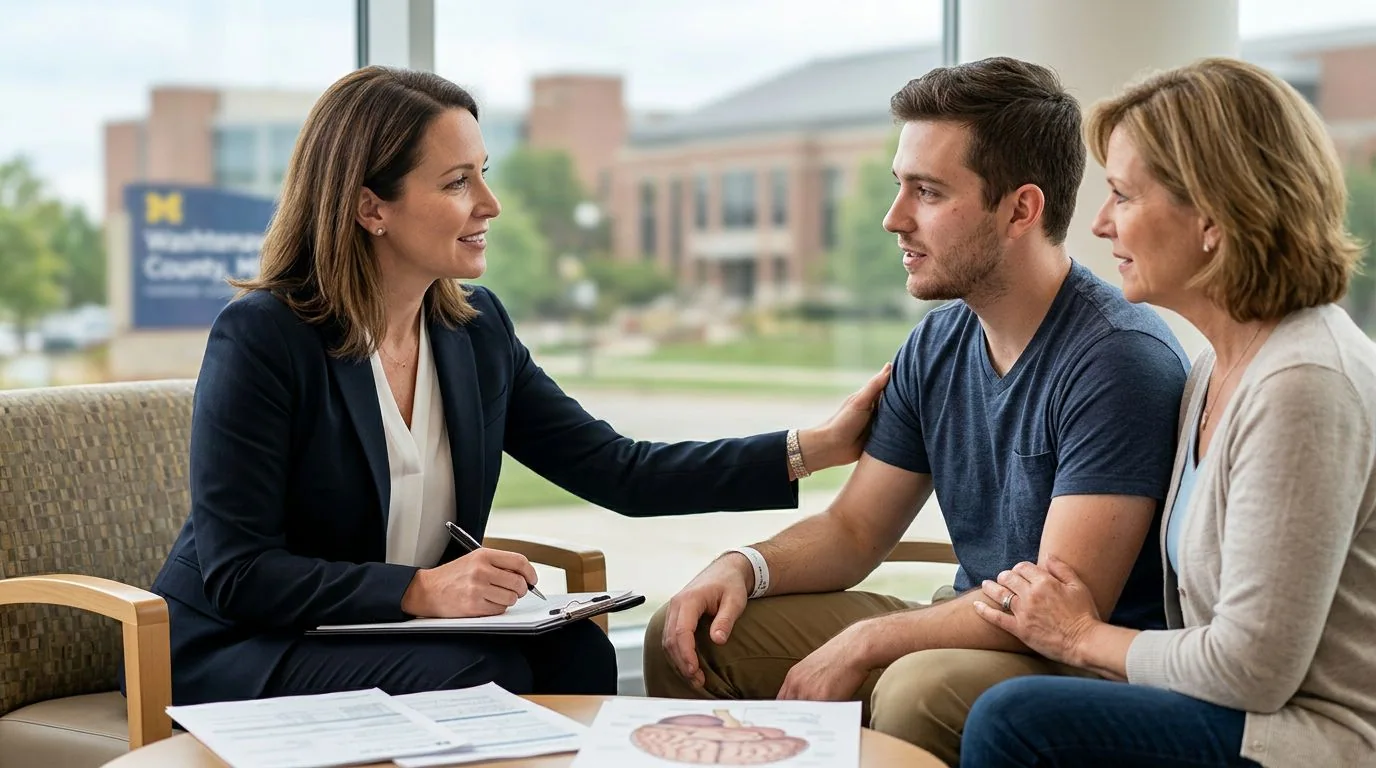
A Brighton family dealing with a brain injury may be coordinating treatment, school or work changes, and insurance paperwork at the same time. The person injured may have difficulty remembering events or explaining changes in daily life. Logeman & Iafrate helps families organize the evidence and pursue the benefits and compensation at issue from our Ann Arbor office.
Connecting a injury to the records that explain it
If a traffic crash caused the injury, retain the responding agency’s name and incident number. Livingston County Sheriff’s Central Records provides crash-report information for that agency. The crash report is one part of the file; treatment history and observations from people who knew the injured person before the event can be equally important.
- Keep a timeline of emergency care, follow-up appointments, rehabilitation, and insurance decisions. Identify each provider rather than relying on a single discharge summary.
- Ask family members to record specific examples of memory, concentration, or behavior changes. Describe what happened and when, rather than assigning a diagnosis.
- Collect school accommodations or employer communications that show changes after the injury. Preserve pre-injury records that provide a fair comparison.
- Bring coverage letters and unpaid-care bills to the first discussion. Separate disputed benefits from a possible claim against the person who caused the injury.
Preparing the evidence for your claim
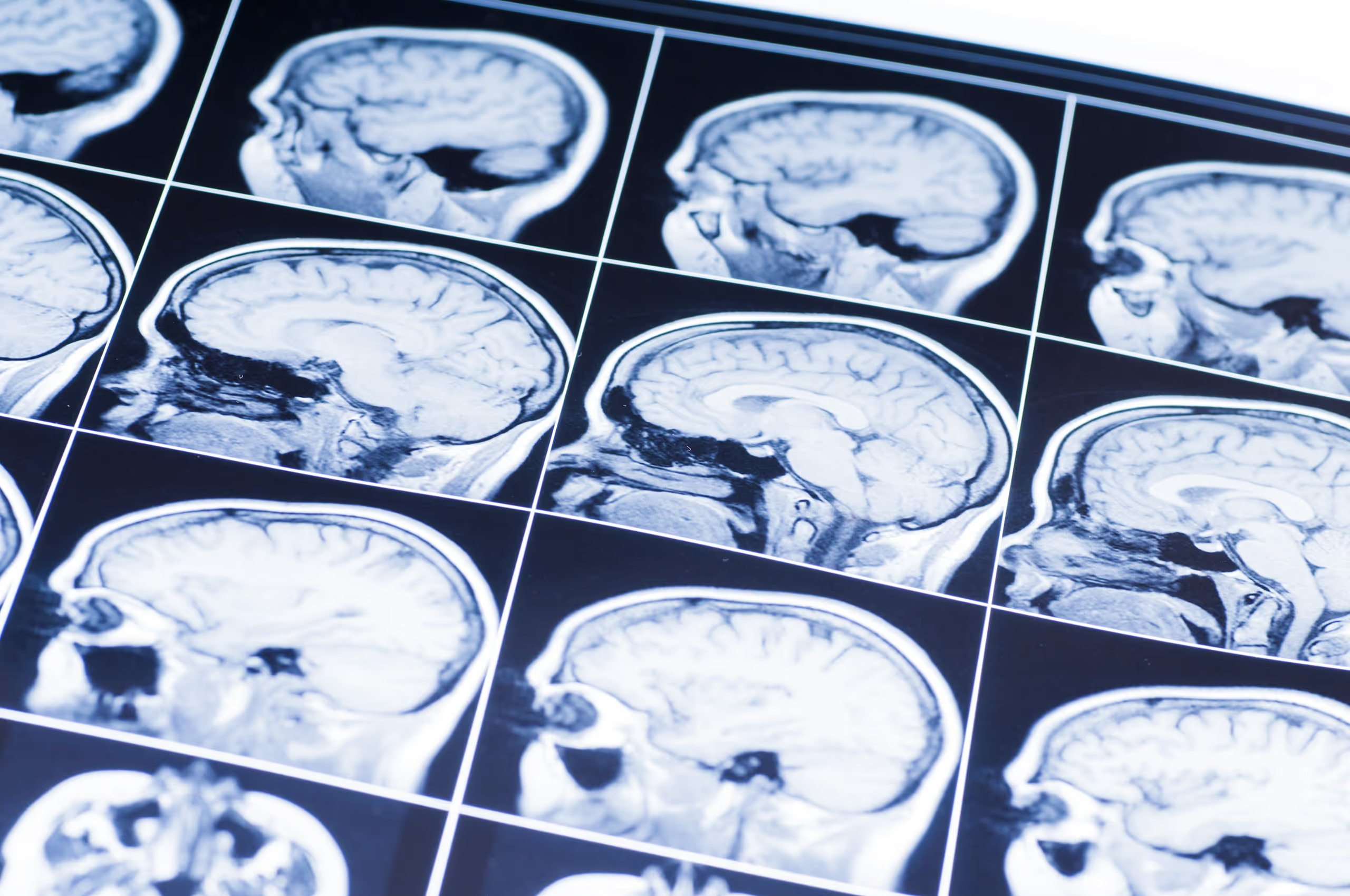
Keep initial and follow-up assessments, symptoms, work restrictions and observations from people familiar with daily functioning. Preserve the injury mechanism and treatment timeline rather than relying on a single test or scan alone.
Securing Lifetime Care and Compensation
Severe brain injuries often require attendant care, home modifications, and ongoing therapy for the rest of a person's life. Michigan's no-fault system can cover much of this, but only if the claim is properly documented and aggressively pursued. We fight for both the no-fault benefits and the third-party damages our clients need.
A published local case result
$1,200,000 — Livingston County Circuit Court for a young girl who sustained a closed head injury as a result of a motor vehicle accident.
Read more in our verdicts and settlements. This is a reported result from the location described above, not a prediction for your claim. Past results do not guarantee future outcomes. Each case is decided on its own facts.
Record resources and next steps
If court proceedings already exist, Livingston County Circuit Court records can help identify the relevant court record. It does not determine where a new claim should be filed.
Use the Brighton resource hub for local record routing and consultation planning, and the traumatic brain injuries practice guide for the broader claim explanation.
Discuss your claim
Logeman & Iafrate, P.C. serves Michigan injury clients from 2950 S. State Street, Suite 400, Ann Arbor, MI 48104. Call (734) 994-0200 or request a free consultation. Describe the incident, available records and any insurer correspondence. Confirm consultation arrangements before traveling.
Our published verdicts and settlements identify the matters described there. Read the claim type and venue as stated; a result does not establish local experience in another place or predict another case’s outcome.
Frequently Asked Questions: Traumatic Brain Injuries
My CT scan was normal. Can I still have a brain injury?
Yes. Mild traumatic brain injuries often do not show on standard CT scans yet cause serious, lasting symptoms. We use neuropsychological testing and specialized imaging, along with expert testimony, to prove these injuries.
The insurer says my symptoms are from a pre-existing condition. What can I do?
This is a common denial tactic. Michigan law allows recovery when an accident aggravates a pre-existing condition. We work with medical experts to separate accident-related effects and counter the insurer's argument.
Will no-fault cover long-term attendant care?
It can. Michigan no-fault may cover attendant care, home modifications, and ongoing treatment, but insurers often resist. We document the need and fight for those benefits, including future care.
How long do I have to bring a brain injury claim?
Generally three years for a personal injury claim and one year to claim no-fault benefits. Because TBI symptoms can be delayed, contact an attorney as soon as possible.
Does the firm have a published head-injury result?
Keep treatment records, bills, work restrictions, pay information and recommendations for future support. The review should distinguish documented losses, available coverage and disputed issues; another person’s verdict is not a value for this claim.
Awards and Honors



We Stand with You through the Hardest Times, Advocating Vigorously for Your Rights.
At our personal injury law practice, we are prepared to handle claims involving car, truck, bus, bicycle, and pedestrian accidents; slip-and-falls and other premises liability claims; product liability claims; claims for compensation for brain and spinal cord injuries; and claims and lawsuits for wrongful death.
We help clients in Ann Arbor, Detroit and throughout Michigan recover the benefits they need and deserve. Our commitment to service is absolute. Please feel free to contact our firm at any time for advice or help with your personal injury claim.
What Our Clients Say About Us
Cases won, lives changed, and we are happy to have helped each one of our clients.



Schedule a Free Case Review with a Lawyer
Don't face this alone. Let us review your case and show you what's possible. We never charge legal fees unless we recover damages on your behalf and the initial consultation is free as well. Reach out to us today.