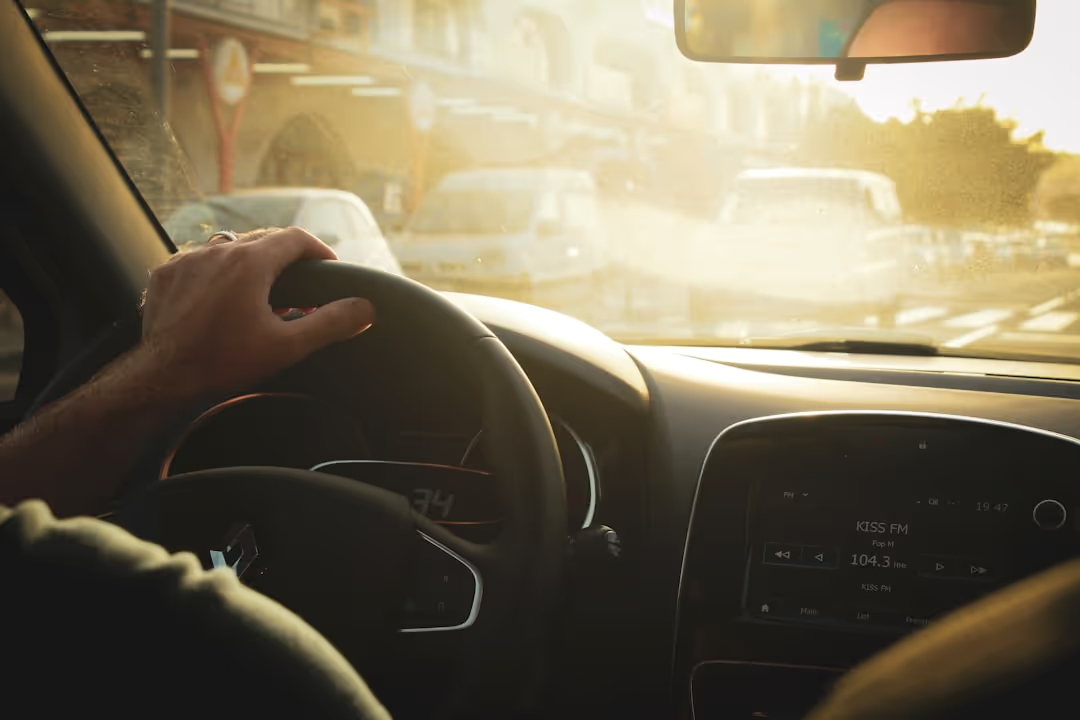
One of the telltale signs of a drunk driver is erratic movement across lanes. When someone is driving under the influence of alcohol, their ability to make sound judgments, coordinate motor skills, and process information is likely to be impaired.
Alcohol affects several areas of the brain, including those responsible for controlling motor functions, balance, and decision-making. This is why drunk drivers often exhibit poor control over their vehicles, leading them to swerve in and out of lanes. Understanding why drunk drivers swerve and spotting the warning signs of drunk driving can help you avoid catastrophic accidents.
Why Drunk Drivers Swerve
Alcohol affects the cerebellum, the part of the brain that controls motor skills and coordination. Drunk drivers may have difficulty maintaining a straight line on the road because their reaction times are slowed, and they struggle to control the steering wheel. Even slight adjustments may feel challenging, causing them to drift out of their lane.
Alcohol also impacts the frontal lobe, which is responsible for decision-making and focus. This impairment often results in drivers not being fully aware of their surroundings. A drunk driver may not notice lane markings or may fail to adjust their steering when the vehicle drifts, leading to swerving.
Alcohol can blur vision and make it harder for the driver to see clearly, especially at night. This can cause them to misjudge their position within their lane or fail to spot the edge of the road. As a result, their vehicle may swerve as they try to correct their driving without proper visual clarity.
How to Spot a Drunk Driver
A drunk driver may weave in and out of lanes without signaling or make sudden lane changes without proper caution. This is a strong indication that the driver may be under the influence.
Additionally, drunk drivers often struggle to maintain a consistent speed. They may speed up and slow down unpredictably, making it difficult for other drivers to anticipate their behavior.
Furthermore, a drunk driver may follow too closely behind other vehicles or brake erratically. These behaviors can indicate poor judgment and lack of awareness.
Suppose you experience a drunk driving accident before you realize you were driving close to a drunk driver; you shouldn't shy away from holding the reckless driver accountable just because you didn't realize they were drunk. Hands-on legal support can help to better ensure that you secure the compensation you deserve for your injuries.
Frequently Asked Questions
Why do drunk drivers swerve between lanes?
Alcohol impairs the cerebellum, which controls motor skills and coordination. This makes it difficult for drunk drivers to maintain a straight line, as their reaction times are slowed and they struggle to control the steering wheel. Even slight adjustments become challenging, causing the vehicle to drift out of its lane.
What parts of the brain does alcohol affect that cause erratic driving?
Alcohol primarily affects the cerebellum (motor control and coordination), the frontal lobe (decision-making and focus), and visual processing centers. This combination impairs a driver's ability to maintain lane position, make sound judgments, and see clearly—especially at night.
How can I identify a drunk driver on the road?
Warning signs include weaving in and out of lanes without signaling, inconsistent speed (speeding up and slowing down unpredictably), following too closely behind other vehicles, erratic braking, and sudden lane changes without proper caution. If you observe these behaviors, maintain a safe distance and consider reporting to law enforcement.
What should I do if I'm in an accident caused by a drunk driver?
Seek medical attention immediately, document the scene with photos, obtain witness information, and report the accident to police. You can pursue compensation from the drunk driver even if you didn't realize they were intoxicated at the time. An experienced personal injury attorney can help ensure you receive fair compensation for your injuries.
Can I hold a drunk driver liable even if I didn't know they were intoxicated?
Yes. You don't need to have known the other driver was drunk to hold them accountable. Evidence of intoxication typically comes from police reports, blood alcohol tests, and witness testimony gathered after the accident. Your right to compensation depends on the driver's negligence, not your awareness of their condition.
Awards and Honors






.svg)