
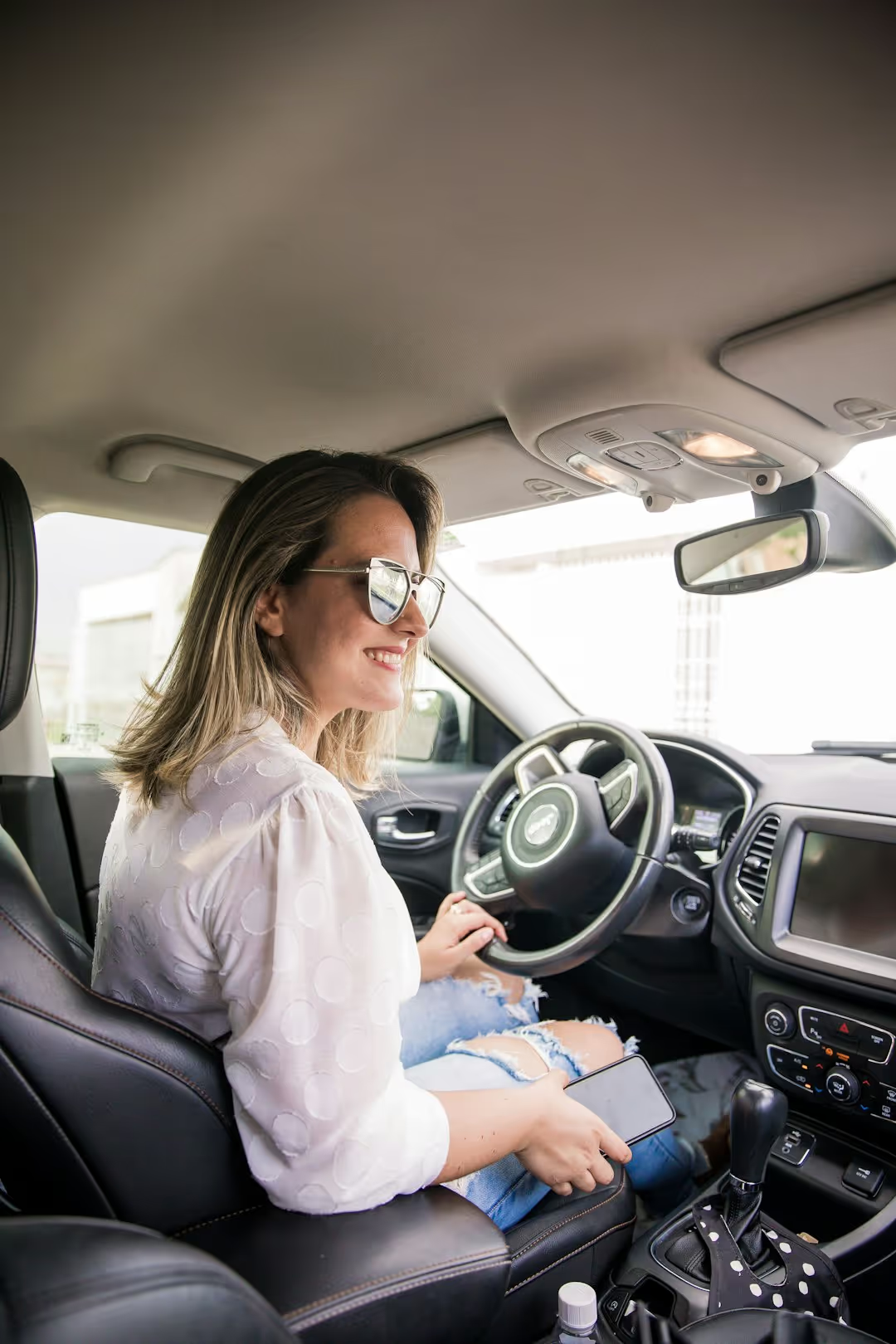
A distraction-prevention plan is most useful before the vehicle moves. Arrange navigation, communications, and other tasks so the driver is not trying to handle them while making traffic decisions.
Set up before departure
- Choose the route and adjust vehicle settings before driving.
- Use an appropriate do-not-disturb setting and put the phone where it will not demand attention.
- Arrange passenger help with non-driving tasks when available.
- Secure loose objects before they create a reason to reach away from the road.
- Plan a safe place to stop if a message, navigation change, or other task needs attention.
Hands-free does not mean attention-free
A legal device configuration does not ensure the driver is concentrating on traffic. Conversation, searching for information, eating, or reaching can divert attention in different ways. Review the NHTSA distraction resource for background and Michigan’s hands-free law for the separate legal question.
If you need to handle a task, stop safely
Avoid trying to finish a message or adjust an unfamiliar setting while continuing through traffic. Use a safe stopping place and follow applicable law. An urgent task does not justify creating another hazard.
After a crash, preserve evidence rather than assumptions
Prevention advice does not establish fault in a particular case. Keep witness accounts, original footage, police information, and the actual sequence of events. The distraction investigation guide addresses that distinct question.
For an injury claim involving alleged distraction, see our distracted-driving practice. Medical and loss records must be evaluated alongside the collision evidence.
Talk with Logeman & Iafrate
Request a free consultation or call (734) 994-0200 to discuss your situation with our Ann Arbor office. Bring the relevant records and any insurer correspondence. Advice about your claim depends on the facts, coverage, and applicable deadlines.
General information only; this article is not legal advice for an individual case.
Frequently Asked Questions
Does hands-free use guarantee safe driving?
No. Attention and the driving circumstances still matter.
Does a prevention checklist determine crash fault?
No. The actual conduct, causation, and evidence must be assessed.
Awards and Honors