
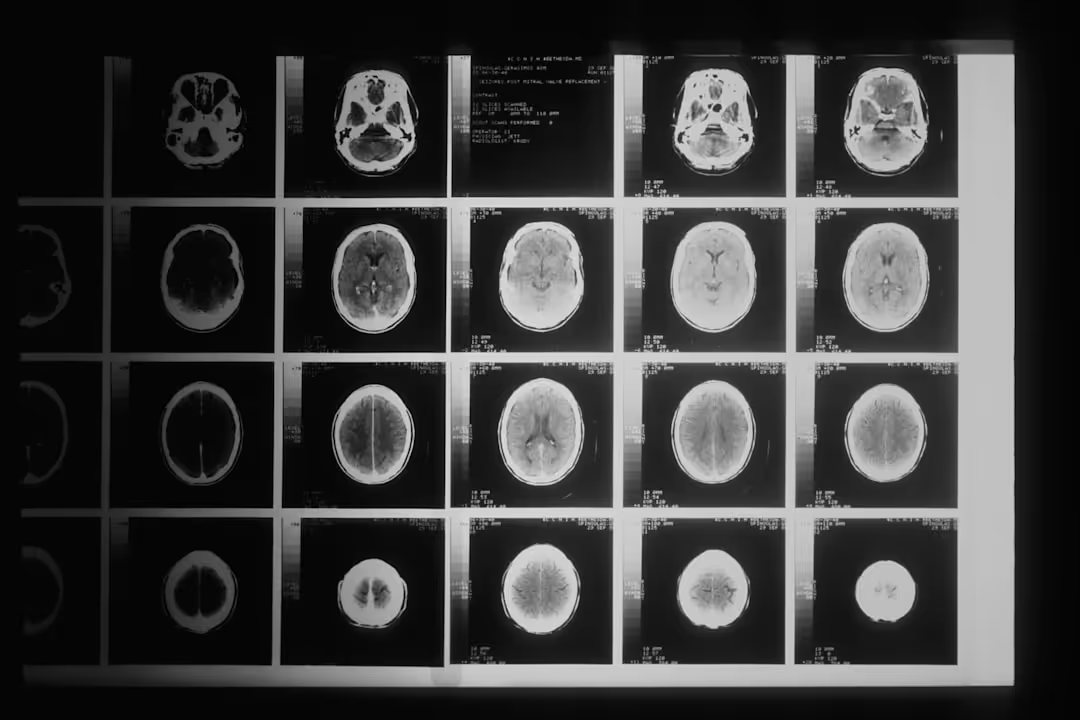
If you're like most people, car accident injuries bring to mind broken bones, lacerations, whiplash and traumatic brain injuries (TBIs). In some people, however, they can cause other serious and sudden health events, like a stroke.
There are several different kinds of strokes. All involve a blockage or rupture that prevents blood and oxygen from reaching the brain. Strokes vary in severity. Massive strokes, if they aren't fatal, can cause serious long-term impairments to mobility, speech, cognition and more.
The most common types of stroke
The three primary types of strokes are:
- Ischemic stroke: This is where either a blood clot or plaque buildup causes a blockage of an artery that moves blood and oxygen to the brain.
- Hemorrhagic stroke: This is where a blood vessel bursts or leaks and causes excess blood to go to the brain.
- Transient ischemic attack (TIA): Sometimes known as a "mini-stroke," this is when a blood clot develops in or near the brain. It's called "transient" because it doesn't last more than a few minutes until normal blood flow resumes.
While a TIA isn't considered as serious as the other two, it could be a warning sign of more serious strokes in the future. If you're involved in a crash, you could be suffering a lot of painful and frightening symptoms. If you've suffered a stroke, it's reasonable that you and others (including first responders and doctors) may not recognize that at first.
Strokes can be mistaken for other injuries
Symptoms of a stroke can be mistaken for those associated with brain and spinal cord injuries. A stroke can cause:
- Paralysis or other problems with mobility and coordination – often on one side of the body
- Trouble speaking and/or difficulty recognizing words
- Sensory losses to vision or hearing
- Seizures
- Cognitive issues
It's crucial to get immediate medical attention so a doctor can determine the cause of the symptoms.
Most people don't suffer a stroke in a car crash. However, if you're already at a higher-than-average risk, either due to medical conditions like high blood pressure, lifestyle choices like diet and smoking or simply a genetic predisposition, the sudden impact and stress of a crash could bring one on.
If you or a loved one has suffered a stroke as the result of a vehicle crash, you could be looking at lifetime consequences. Everyone recovers differently from a stroke. That's why it's crucial not to settle for less compensation than you need in the long term. With sound legal guidance, you can work to protect your right to fair compensation for your expenses and other damages.
Frequently Asked Questions
Can a car accident really cause a stroke?
Yes. While not common, the sudden impact and stress of a car accident can trigger a stroke, particularly in individuals who already have risk factors such as high blood pressure, cardiovascular disease, or a genetic predisposition. The trauma from the collision can cause blood clots or rupture blood vessels, leading to ischemic or hemorrhagic strokes.
What are the warning signs of a stroke after a car accident?
Stroke symptoms can include sudden paralysis or weakness on one side of the body, difficulty speaking or understanding speech, vision problems, severe headache, dizziness, loss of coordination, and confusion. These symptoms can be mistaken for traumatic brain injury or spinal cord damage, which is why immediate medical evaluation is critical after any serious accident.
How long after a car accident can a stroke occur?
A stroke can occur immediately during or after a collision, or it may develop hours or even days later. Some accident victims experience a transient ischemic attack (TIA or "mini-stroke") first, which serves as a warning sign. Any neurological symptoms following an accident should be evaluated by medical professionals right away.
Can I recover compensation if I had a stroke after a car accident?
Yes. If another driver's negligence caused the accident that led to your stroke, you have the right to seek compensation for all related damages. This includes medical expenses, rehabilitation costs, lost wages, future care needs, pain and suffering, and other losses. Stroke injuries often result in long-term or permanent impairments, making it crucial to secure full compensation for your lifetime needs.
What should I do if I suspect I'm having a stroke after an accident?
Seek emergency medical attention immediately. Call 911 or have someone drive you to the nearest emergency room. Time is critical with stroke treatment—the faster you receive care, the better your chances of minimizing brain damage and long-term effects. After your medical needs are addressed, contact an experienced personal injury attorney to protect your legal rights and ensure you receive fair compensation.
Awards and Honors







.svg)