
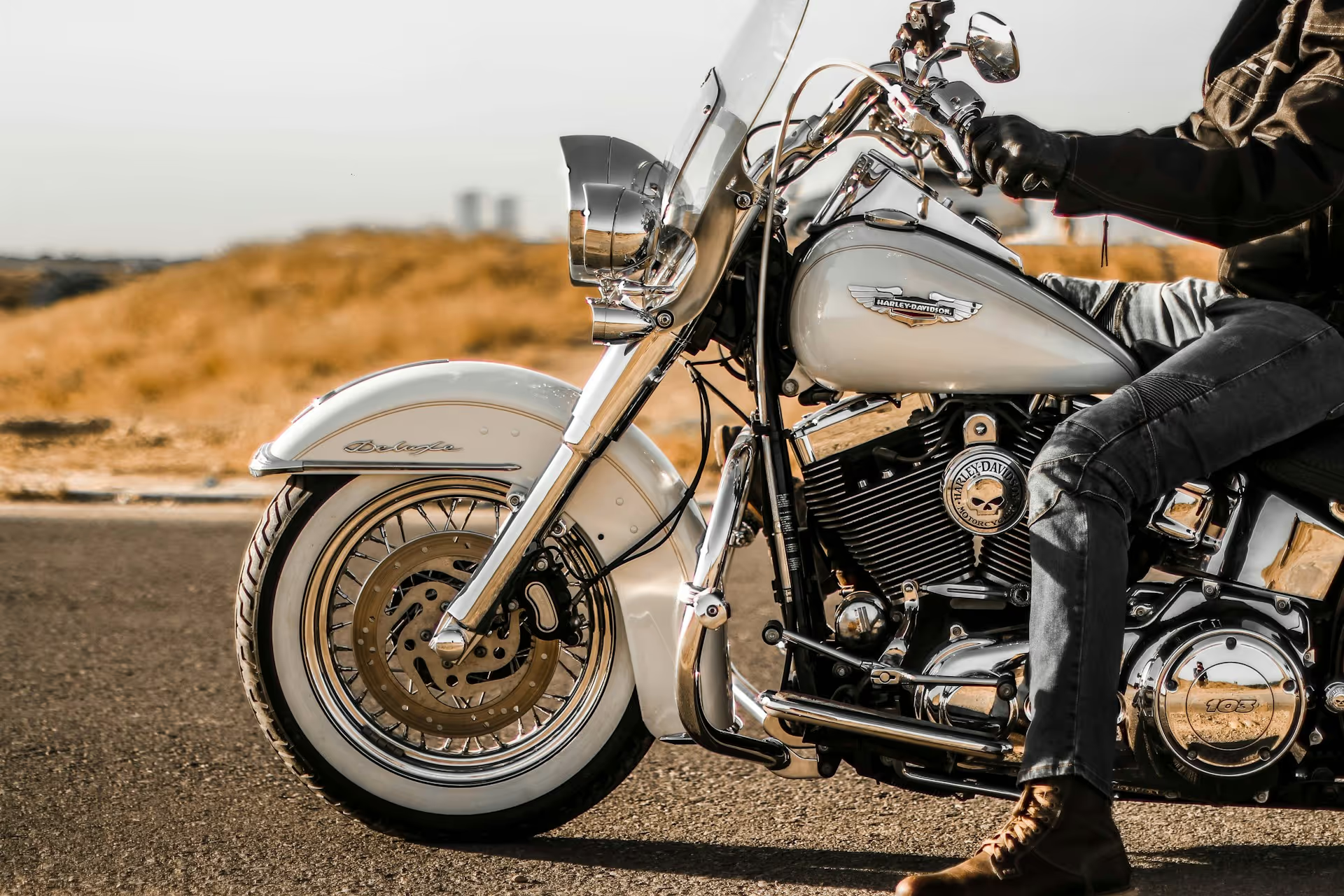
May is motorcycle safety awareness month. Unfortunately, motorcycle accidents frequently result in severe injuries to riders and passengers. Recent studies indicate that motorcycles account for 14 percent of all traffic fatalities while motorcycles make up only 3 percent of all registered vehicles in the United States.
Many accidents occur because the striking car or truck driver did not see the motorcycle even though the motorcycle operator should have been clearly visible. Frequently, a vehicle operator will not be paying attention or driving while distracted.
Under Michigan Law, the striking motor vehicle is responsible for payment of all accident-related medical expenses incurred by the occupants of the motorcycle. However, with the elimination of mandatory lifetime medical coverage starting on July 1, 2020, there will likely be reduced insurance coverage to compensate motorcycle accident victims for necessary medical expenses for accident-related injuries as a result of limited insurance coverage.
Operators of motorcycles should purchase additional medical coverage on their motorcycle policy to make sure they are adequately insured in the event of a serious accident. This coverage is generally very inexpensive. Given the upcoming changes in the Michigan No-Fault Law, it will be important to protect yourself. It is also wise for beginners to take a motorcycle safety course and a refresher course after being off your bike for a while. The Motorcycle Safety Foundation offers safety booklets and rider course handbooks. msf-usa.org or call 800-446-9227.
Common Accident-Related Motorcycle Injuries
Spinal cord and brain injuries. Damage to the spinal column can have lifelong consequences. A motorcyclist often suffers injuries that cause chronic back or neck pain, paralysis, spine fractures and brain injuries. Little barrier protection can be offered to the operator of a motorcycle, which makes these injuries very serious. The use of a certified DOT helmet and protective gear can reduce the likelihood of serious injuries. Look for a DOT sticker which guarantees the helmet satisfies safety standards required by law. The National Highway Traffic Safety Administration (NHTSA) estimates that helmets are 37% effective in preventing fatal injuries to motorcycle riders and 41% for passengers.
Arm Injuries. When a motorcyclist is thrown from his bike, his arms and shoulders often take the brunt of the trauma. Many bike operators try to brace for impact on landing using their arms, which leads to broken bones, nerve damage, and other injuries that can require long-term care and recovery.
Leg injuries. In a motorcycle collision, injuries to the hips, knees, and feet are quite common. These can occur at the time of impact or just afterward, especially when a biker is thrown from the motorcycle. Bone fractures, muscle damage and other trauma can require physical therapy and treatment to recover. Protective pants are often overlooked since most riders think jeans are acceptable. Motorcycle protective pants offer protection to areas most likely to receive contact and provide increased visibility.
Amputations. motorcycle accidents frequently result in amputations when cars strike the legs which are unprotected and protective gear is unlikely to prevent these injuries. These injuries require lifelong rehabilitation and medical care.
Treatment, Recovery, and Income Loss
Different types of injuries require different treatments and costs.
Long-term medical care. More serious injuries, such as extensive damage to the spine, brain, limbs or multiple fractures, can require long-term care. These may involve long hospital stays, the need for in-home care for months, and additional out-of-pocket expenses. Purchasing medical coverage can help pay for these unexpected medical costs.
Wage loss. Even after an accident victim's initial treatment and care, there may be additional long-term economic losses. This results in long-term income loss which can result in loss of future income causing changes in lifestyle or missed career opportunities.
Lifelong recovery. Injuries can require lifelong therapy or treatment and have tremendous costs. Medical expenses, loss in salary, modifications to your home and vehicle, and other future costs can be difficult to calculate or even imagine on your own.
Having an experienced attorney on your side will assist you in dealing with this financial burden of accident-related financial expenses. An attorney should utilize a life care plan as an important tool in maximizing recoverable damages in a personal injury lawsuit involving serious injuries.
Determining the costs of future health care is frequently the largest component of damages in a personal injury lawsuit. It is important to prepare a detailed analysis of the injured accident victim's future life care needs. It is necessary to retain a qualified nurse or other medical professional to determine the costs associated with medical services, equipment, supplies, medications, and care needs.
The life care plan should fully detail the injured person's financial needs following a personal injury accident. Income losses should also be calculated with the use of a qualified economist.
If you have been injured in a motorcycle accident our Ann Arbor Personal Injury Firm can help. Logeman, Iafrate, Logeman, P.C. has over 45 years of experience and success in helping injury victims throughout Michigan. We are committed to helping the injured recover full and fair compensation for their economic losses, pain, and suffering. Call today and schedule your FREE consultation with an experienced personal injury lawyer.
What should I do immediately after a motorcycle accident in Michigan?
First, seek medical attention even if injuries seem minor. Document the scene with photos, gather witness information, and contact law enforcement. Do not admit fault. Contact an experienced motorcycle accident attorney as soon as possible to protect your rights and ensure proper insurance claims are filed.
Who pays for medical expenses after a motorcycle accident in Michigan?
Under Michigan law, the striking motor vehicle is responsible for payment of all accident-related medical expenses incurred by motorcycle occupants. However, with changes to Michigan No-Fault Law starting July 1, 2020, reduced insurance coverage may limit compensation. Motorcyclists should purchase additional medical coverage on their motorcycle policy.
What types of injuries are common in motorcycle accidents?
Common motorcycle accident injuries include spinal cord and brain injuries, arm and shoulder trauma, leg injuries affecting hips, knees and feet, and amputations. These injuries often require long-term medical care, physical therapy, and can result in permanent disability. Wearing DOT-certified helmets and protective gear can reduce injury severity.
How much is my motorcycle accident case worth?
Case value depends on multiple factors including medical expenses, lost wages, future care needs, pain and suffering, and permanent disabilities. Serious injuries may require a life care plan prepared by medical professionals and economic analysis by qualified economists to calculate future costs. An experienced attorney can help maximize your recovery.
Do I need a lawyer for my motorcycle accident claim?
Yes. Motorcycle accident cases involve complex insurance laws, liability issues, and significant damages. An experienced attorney will protect your rights, handle insurance negotiations, retain medical experts for life care planning, calculate economic losses, and ensure you receive full and fair compensation for your injuries and suffering.
Awards and Honors







.svg)