
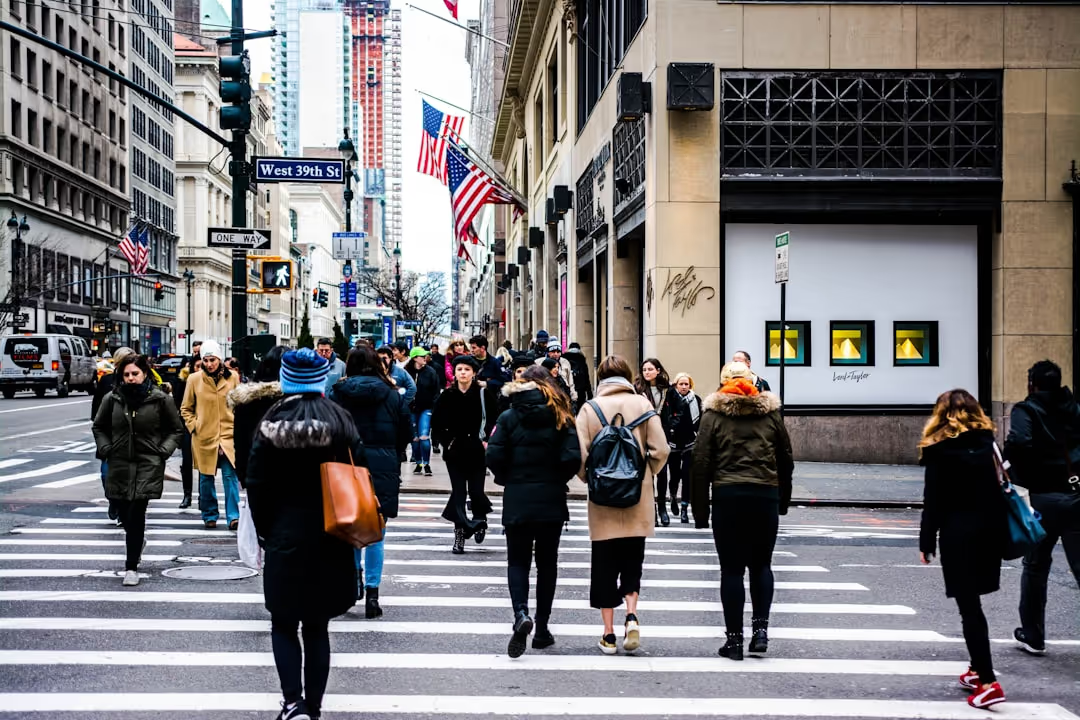
Michigan law includes many protections for people traveling on foot. However, a pedestrian's actions before and during an accident can have a significant impact on the support they can receive afterward. What should pedestrians know?
Understanding comparative negligence
Michigan uses a system called comparative negligence. In this system, if there is an accident, the court decides how much each person involved is at fault. The compensation they can receive will decrease based on their percentage of fault.
As a result, the actions of a pedestrian can significantly affect the outcome of their compensation claim. Some behaviors that can impact a pedestrian's fault percentage include:
- Jaywalking: If you cross the street where there is not a crosswalk or when the light says not to, it could count against you.
- Distractions: Just like drivers, pedestrians should not be distracted by phones or other devices. If you are texting while crossing the street, it could hurt your case.
- Ignoring traffic controls: Crossing against a pedestrian signal or failing to yield when required can contribute to fault.
- Alcohol influence: Walking under the influence of alcohol or drugs can make you less aware and slow to react, which might increase your fault if there is an accident.
Can you defend your rights even if you contributed to the accident?
Even if you did something to contribute to the accident, you can still defend your rights. Proper documentation can support your claim and potentially reduce your fault percentage. If you are a pedestrian involved in an accident, it is crucial to document everything related to the incident. This includes:
- Gathering contact information from witnesses.
- Taking photos of the accident scene, your injuries, and any relevant street signs or signals.
- Obtaining a copy of the police report.
- Keeping records of medical treatments and related expenses.
Consulting with a personal injury attorney with experience in pedestrian accidents can also increase your chances of a favorable outcome. They can help argue against undue fault and work towards maximizing your compensation.
While pedestrians have rights, they also must be careful and follow traffic laws meant to keep them safe. Knowing the law and taking steps to protect your rights can help you deal with the aftermath of an accident more effectively.
Frequently Asked Questions
What is comparative negligence in Michigan pedestrian accidents?
Comparative negligence is a legal system where the court determines each party's percentage of fault in an accident. Your compensation is reduced by your percentage of fault. For example, if you're found 20% at fault, your compensation will be reduced by 20%.
Can I still receive compensation if I was partially at fault for the accident?
Yes, you can still receive compensation even if you contributed to the accident. Michigan's comparative negligence system allows you to recover damages as long as you are not 100% at fault, though your compensation will be reduced by your percentage of fault.
What pedestrian behaviors can reduce my compensation claim?
Behaviors that can negatively impact your claim include jaywalking, crossing against traffic signals, being distracted by phones or devices while crossing, ignoring pedestrian controls, and walking under the influence of alcohol or drugs. These actions can increase your fault percentage.
What should I do immediately after a pedestrian accident?
Document everything: gather witness contact information, take photos of the accident scene, your injuries, and relevant traffic signs, obtain a copy of the police report, and keep detailed records of all medical treatments and expenses. This documentation can help reduce your fault percentage.
Do I need a lawyer for a pedestrian accident claim?
While not required, consulting with a personal injury attorney experienced in pedestrian accidents can significantly improve your outcome. They can help argue against undue fault attribution, properly document your case, and work to maximize your compensation under Michigan's comparative negligence system.
Awards and Honors







.svg)