
Accident Victims May be Compensated if they Suffer a Mild Traumatic Brain Injury or Concussion in a Motor Vehicle Accident in Michigan
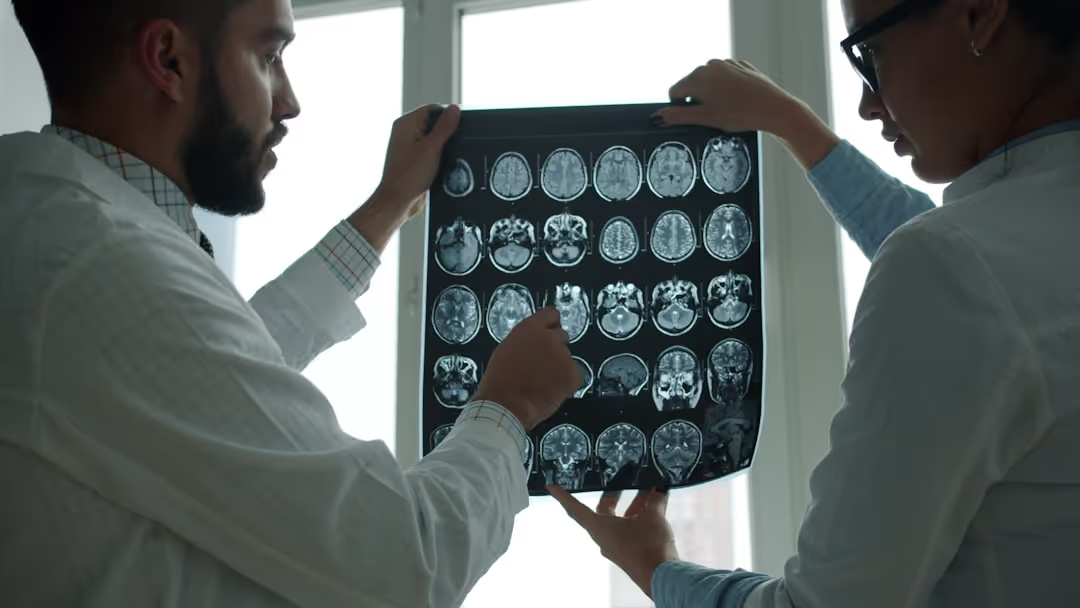
A person may be compensated if they suffer a mild brain injury or concussion in a motor vehicle accident. There is a threshold requirement of seriousness that can be satisfied under Michigan law even when objective diagnostic scans of the brain are normal including x-rays, CT, and MRI scans. The signs and symptoms of a mild traumatic brain injury may include:
Physical Symptoms
- Headache
- Nausea or vomiting
- Fatigue
- Problems with speech
- Dizziness or loss of balance
Sensory Symptoms
- Sensory problems, such as blurred vision, ringing in the ears, or changes in the ability to smell
- Sensitivity to light or sound and other noises
Cognitive, Behavioral, or Mental Symptoms
- Loss of consciousness for a few seconds to a few minutes
- No loss of consciousness, but a state of being dazed, confused, or disoriented
- Memory or concentration problems
- Mood changes or mood swings
- Feeling depressed or anxious
- Difficulty sleeping
- Sleeping more than usual
Potential Complications of Brain Injury or Concussion
Complications can occur after a traumatic brain injury including:
- Seizures. Some people with a traumatic brain injury will develop seizures. The seizures may occur in the early stages, or years after the injury. Recurrent seizures are typically called post-traumatic epilepsy.
- Fluid buildup in the brain. Cerebrospinal fluid may build up in the spaces in the brain of individuals who have had traumatic brain injuries, causing increased pressure and swelling in the brain.
- Infections. Skull fractures or penetrating wounds can tear the layers of protective tissues that surround the brain. This can cause infections which could spread to the rest of the nervous system if not treated immediately.
- Blood vessel damage. Several small or large blood vessels in the brain may be damaged in a traumatic brain injury. This damage could lead to a stroke or blood clots.
- Headaches. Frequent headaches are very common after a traumatic brain injury. They may begin within a week after the injury and could persist for as long as many months.
- Vertigo. Many people experience vertigo, a condition characterized by dizziness.
These symptoms may last for a few weeks to a few months after a traumatic brain injury. When a combination of these symptoms lasts for an extended period, this is referred to as post-concussive syndrome. Repeat concussions can make recovery more difficult and cause a prolonged healing process.
Cognitive or Thinking Problems
- Memory
- Thinking
- Reasoning
- Judgment
- Attention or concentration
- Problem-solving
- Multitasking
- Organization
- Planning
- Decision-making
- Beginning or completing tasks
Behavioral and Emotional Problems
People who've experienced a brain injury may experience changes in behaviors. These may include:
- Difficulty with self-control
- Lack of awareness
- Risk taking behavior
- Difficulty in social situations
- Verbal or physical outbursts
- Depression
- Anxiety
- Mood swings
- Irritability
- Anger
- Insomnia
Sensory Problems
- Persistent ringing in the ears
- Difficulty recognizing objects
- Impaired hand-eye coordination
- Dark spots or double vision
- Difficulty smelling
- Trouble with balance or dizziness
Mild brain injuries can have serious consequences despite being labeled as "mild". Michigan law can provide compensation for medical expenses, wage loss, and pain and suffering or quality of life damages if a person suffers such an injury even though objective medical testing is determined to be normal by the attending physicians.
It is important to always wear a seat belt in a motor vehicle to reduce the risk of brain injury. Wear a helmet when riding a motorcycle, bicycle, skateboard, all-terrain vehicle, and snowmobile. It is also recommended that you wear head protection when playing contact sports, skiing, skating, or snowboarding.
If you or a member of your family has been in an accident and suffered a brain injury, our Ann Arbor Personal Injury Law Firm can help. Logeman, Iafrate & Logeman, P.C. have extensive experience in claims and lawsuits involving brain injuries and have helped countless clients throughout Michigan recover losses and fight for their rights.
These can be complicated legal matters and it is important that your attorney understands the complexity of brain injury issues. If you would like to speak with one of our attorneys about your situation, please contact our office to arrange a Free Consultation.
Frequently Asked Questions
Can I receive compensation for a concussion if my CT scan and MRI are normal?
Yes. Michigan law allows compensation for mild traumatic brain injuries even when objective diagnostic scans like x-rays, CT scans, and MRIs appear normal. The threshold requirement of seriousness can be satisfied based on symptoms and their impact on your daily life, including physical, cognitive, and behavioral changes.
What types of compensation are available for traumatic brain injury victims in Michigan?
Michigan law provides compensation for medical expenses, wage loss, and pain and suffering or quality of life damages. This includes coverage for ongoing treatment, rehabilitation, lost income during recovery, and compensation for the physical and emotional impact of the injury on your daily activities and relationships.
How long do symptoms of a mild traumatic brain injury typically last?
Symptoms may last from a few weeks to several months after a traumatic brain injury. When a combination of symptoms persists for an extended period, this is referred to as post-concussive syndrome. Repeat concussions can make recovery more difficult and cause a prolonged healing process, which is why proper medical documentation and legal representation are crucial.
What should I do if I suspect I have a brain injury after a car accident?
Seek immediate medical attention, even if you feel fine initially. Brain injury symptoms can appear hours or days after an accident. Document all symptoms, follow your doctor's treatment plan, and contact an experienced brain injury attorney. At Logeman, Iafrate & Logeman, P.C., we offer free consultations to discuss your case and help protect your rights to compensation.
What are the most common complications of traumatic brain injuries?
Common complications include seizures or post-traumatic epilepsy, fluid buildup in the brain, infections from skull fractures, blood vessel damage leading to strokes or clots, persistent headaches, and vertigo. These complications can develop immediately after the injury or years later, making ongoing medical monitoring and legal protection of your rights essential.
Awards and Honors







.svg)